
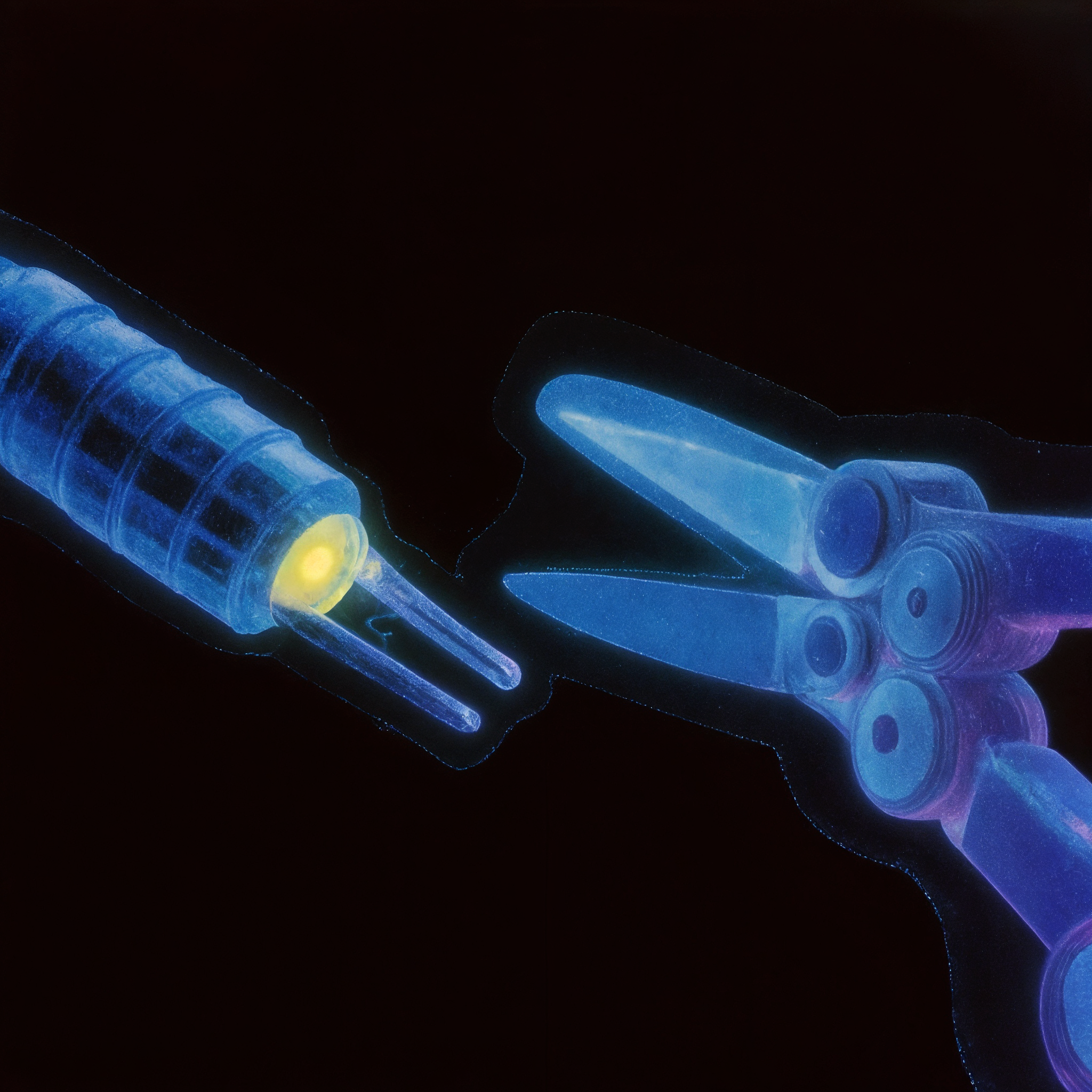
In 2019, I joined Sina Robotics as an Industrial Designer to work on a robotic telesurgery system. The company had spent a decade in R&D developing medical robotics and training simulators, and was preparing to commercialize their first surgical robot. Three months in, I was promoted to Design Manager, leading a team of four Industrial Designers and Mechanical Engineers.
The goal was to improve system usability while meeting international medical device standards. That meant increasing range of motion in the robotic arms, designing surgical instruments and detection systems, and optimizing the surgeon console ergonomics. Within a year, we delivered the designs that helped close the first international deal and positioned the company as one of the few nations with certified robotic telesurgery systems.
The Task
The core challenge was balancing innovation with certification requirements. Medical devices need ISO-13485 (quality management), IEC-80601 (safety standards), and various ISO/TC 299 regulations before they can be sold internationally. Every design decision had to satisfy both engineering constraints and regulatory documentation.
The existing system had usability problems reported by R&D during testing. Robotic arms had limited range, making certain surgical positions impossible. The surgeon console was ergonomically flawed, leading to fatigue during long procedures. There was no automated tool detection, forcing manual configuration before each operation. And manufacturing costs were higher than target markets would tolerate.
My team worked on four parallel tracks: mechanical redesign of the robotic arms to extend reach without sacrificing precision, development of surgical instruments with standardized interfaces, integration of tool detection sensors into the instrument holders, and ergonomic optimization of the control handles and console dimensions.
The robotic arm redesign required collaboration with mechanical engineers to model joint configurations that increased workspace volume while maintaining sub-millimeter accuracy. We tested dozens of configurations in simulation before prototyping. The challenge was not just achieving range, it was doing so without adding weight that would slow response times or require stronger actuators.
Tool Detection and Surgical Instruments
Designing the surgical instruments meant understanding how surgeons interact with tools during procedures. We studied existing robotic surgery platforms and interviewed surgeons to identify pain points. The result was a modular instrument design with quick-release mechanisms and standardized mechanical interfaces.
The tool detection system used a combination of RFID tags embedded in each instrument and proximity sensors in the robotic arm holders. When a surgeon loaded an instrument, the system automatically identified the tool type and configured control parameters. This eliminated setup time and reduced human error.
The instruments themselves needed to be cost-effective to manufacture while meeting sterilization and durability requirements. We chose materials compatible with autoclave cycles and designed geometries that minimized stress concentrations during repeated use. Every component was documented for regulatory submission.
Ergonomics and the Surgeon Console
The surgeon console is where operators spend hours in delicate procedures. Poor ergonomics translate directly to fatigue, reduced precision, and potential errors. We analyzed anthropometric data for target markets, built mockups at different scales, and conducted user testing with surgeons.
The control handles were the most critical interface. We iterated on grip angle, button placement, haptic feedback integration, and force response curves. The final design accommodated a wide range of hand sizes and allowed natural wrist positions during extended use. We also adjusted the console height, screen positioning, and foot pedal placement based on percentile data.
Prototyping was rapid. We used 3D printing for form validation and CNC machining for functional prototypes that surgeons could actually test. Feedback cycles were tight, sometimes turning around modifications in days.
Manufacturing and Cost Optimization
Meeting international price targets required aggressive cost reduction without compromising quality. I supervised exterior part fabrication and instrument production, evaluating different manufacturing methods for each component.
For plastic housings, we switched from CNC machining to injection molding after verifying production volumes justified tooling costs. For metal components, we optimized material selection and simplified geometries to reduce machining time. Some parts moved from metal to reinforced polymers where structural requirements allowed.
The result was a 10 percent reduction in overall production costs and a 30 percent decrease in fabrication expenses. These savings made the system competitive in price-sensitive markets like Indonesia, where we closed the first international deal.
Certification and Standards
Every design change fed into regulatory documentation. ISO-13485 requires traceability from requirements through validation, so we maintained detailed records of design decisions, test results, and material certifications. IEC-80601 governs electrical safety and performance, which influenced component selection and wiring design.
We worked closely with the compliance team to ensure drawings, BOMs, and test reports met documentation standards. Any modification triggered a review process to assess regulatory impact. This added overhead but prevented expensive redesigns later.
The R&D team identified issues during testing that had regulatory implications. For example, early prototypes had electromagnetic interference problems that violated IEC standards. We redesigned shielding and grounding schemes, then revalidated. These iterations were time-consuming but necessary.
The First International Deal
After a year of parallel development, we delivered complete design packages to R&D. The improved robotic arms, surgical instruments, tool detection system, and ergonomic console came together in a system that met certification requirements and user needs.
The timing was tight. Indonesia was evaluating multiple robotic surgery platforms, and our system competed against established players. The cost optimization work made our pricing competitive, while the usability improvements and certifications demonstrated maturity. We won the deal, becoming one of the first countries to export robotic telesurgery systems.
Lessons Learned
Managing a design team in a regulated industry is different from typical product design. Every decision has compliance implications, and iteration is expensive. The key is frontloading research so you get closer to the right answer on the first attempt.
Collaboration between industrial designers and mechanical engineers was essential. Designers pushed for user experience and manufacturability, engineers enforced structural and performance constraints. Tension between these priorities led to better solutions than either discipline alone.
The manufacturing optimization taught me that cost reduction is not about cutting corners, it is about understanding processes deeply enough to find inefficiencies. Changing a fillet radius or material grade can save thousands without affecting performance.
Certification timelines dominate product development in medical devices. Features that seem simple can take months to validate and document. Planning around these constraints is critical, you cannot just iterate fast and fix things later.
The project positioned Sina Robotics as a serious player in surgical robotics. The system we designed formed the foundation for their commercial product line and demonstrated that domestic engineering could compete internationally in advanced medical technology.